Background
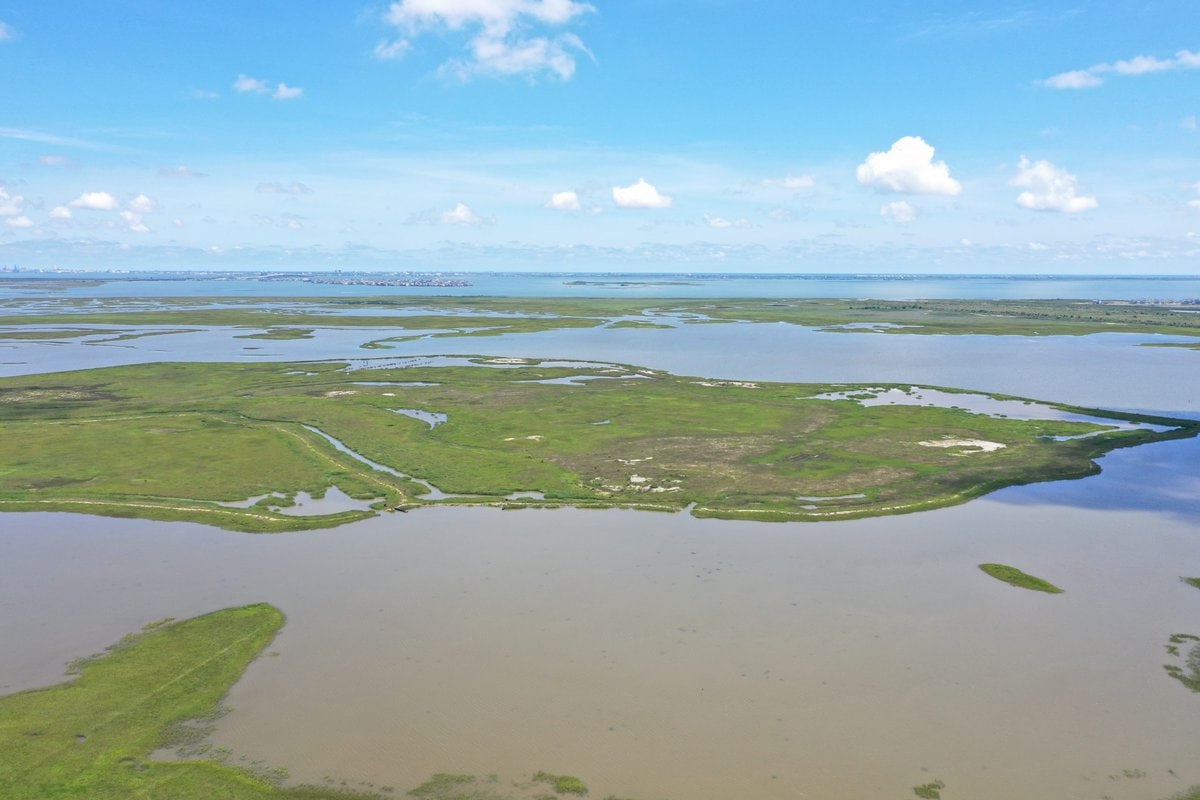
Coastal salt marshes are crucial ecosystems, offering flood management, nutrient retention, and biodiversity. Threatened by rising sea levels, nutrient runoff, extreme weather, and urban development, salt marsh restoration is increasingly critical. However, practitioners often face limitations in accessing locally sourced plant materials, which can better withstand a range of conditions and support coastal resiliency.
Ramboll Americas Engineering Solutions (Ramboll) and Northeastern University, with support from the U.S. Army Corps of Engineers Engineering With Nature® (EWN) program, have partnered with Salem Sound CoastWatch, Mystic River Watershed Association (MyRWA), Friends of Belle Isle Marsh, and The Nature Conservancy (TNC) to assess biodiversity and ecological function in MA wetlands. The project examines genetic variety and restoration performance of cordgrass, comparing local ecotypes with
commercial varieties.
One Plant at a Time
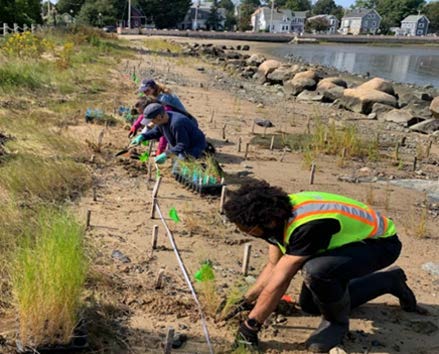
As of October 2033, seeds and leaf tissue from nearby marshes have found a new home in Collins Cove. Over 1,700 local and commercial cordgrass stocks have been planted, enriching biodiversity and fortifying against coastal challenges. The initial planting marks the starting point of ongoing scientific observation. Researchers are closely monitoring the growth and characteristics of these plants to understand their role in enhancing coastal resilience.


Path Forward
The project extends further than the planting phase. Its broader aim is to comprehend the adaptability of native plants in this environment, offering potential strategies for safeguarding coastlines and nearby communities.
- Conduct comprehensive genetic analysis of both local and commercial stocks, led by Northeastern University
- Ensure continual monitoring of planted cordgrass for relevant phenotypic traits
- Thoroughly analyze all collected data for comprehensive insights
- Compile and finalize the research report; publish significant findings in scholarly manuscripts
- Schedule regular collaborative meetings for ongoing coordination
- Ensure timely sharing of data among all stakeholders
- Oversee continuous site management activities in collaboration with Salem Sound Coastwatch
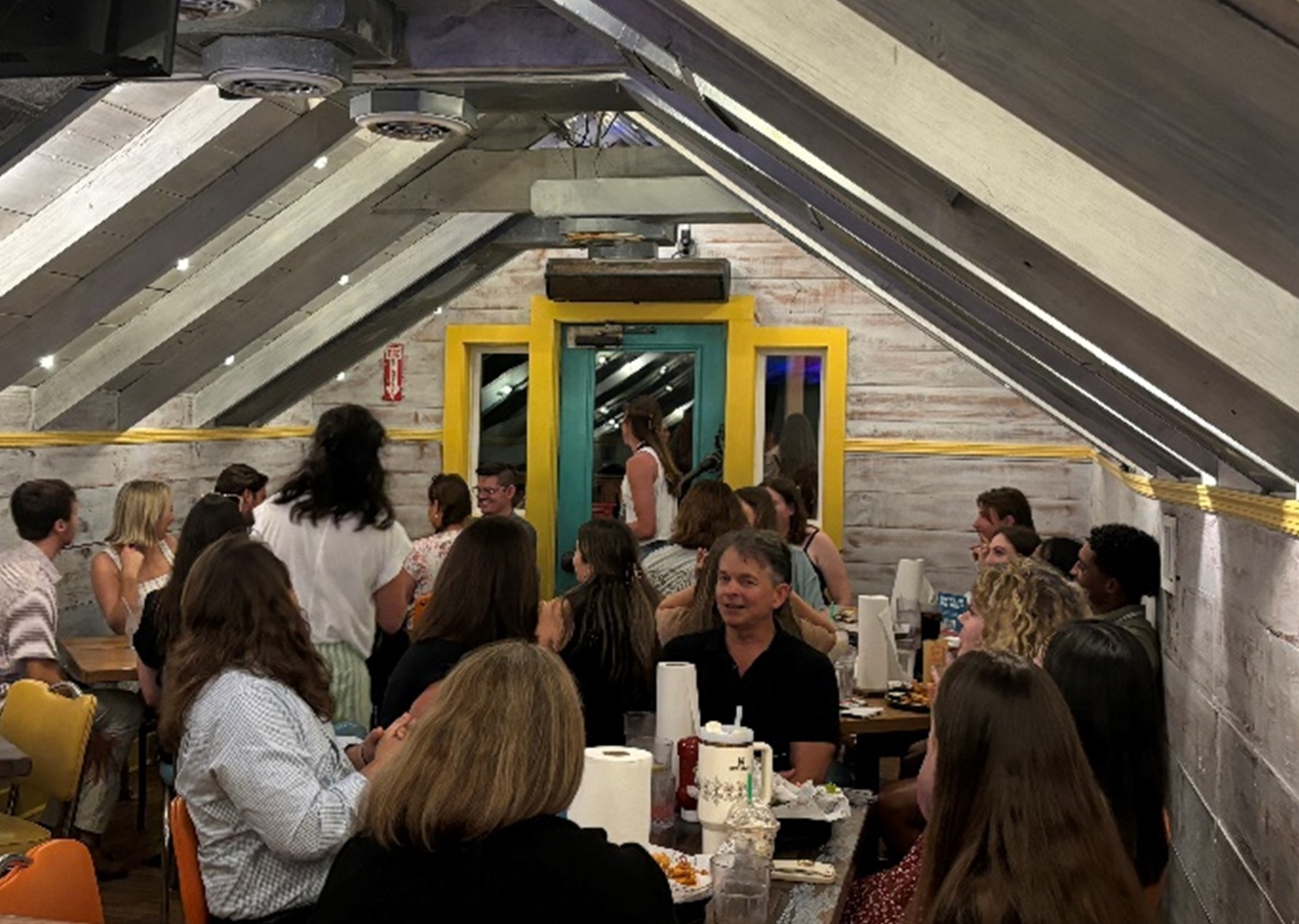
Planting Partners


Barbra Warren & Volunteers
Salem Sound Coastwatch
Dr. Randall Hughes & Students
Northeastern University
Sara Copp Franz &
Dr. Molly McDermott
Ramboll Americas Engineering Solutions
Multiple Volunteers
The Nature Conservancy
Catherine Pedemonti
The Mystic River Watershed Association
Dr. Andrew McQueen
USACE ERDC