Complete Research project

Parametric Study of Belowground Biomass on Short-term Dune Evolution

Project Information

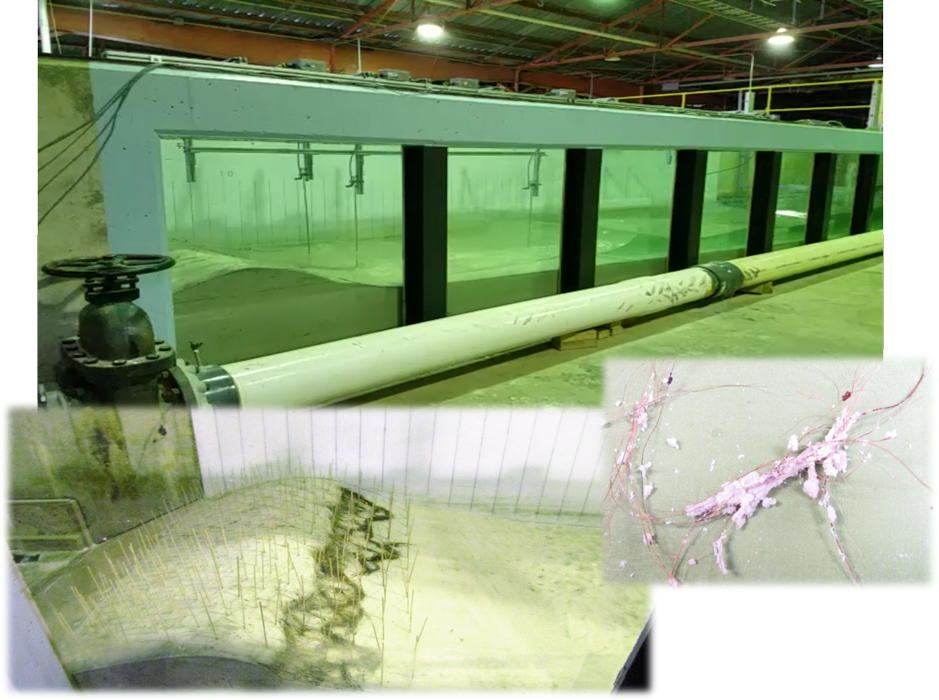
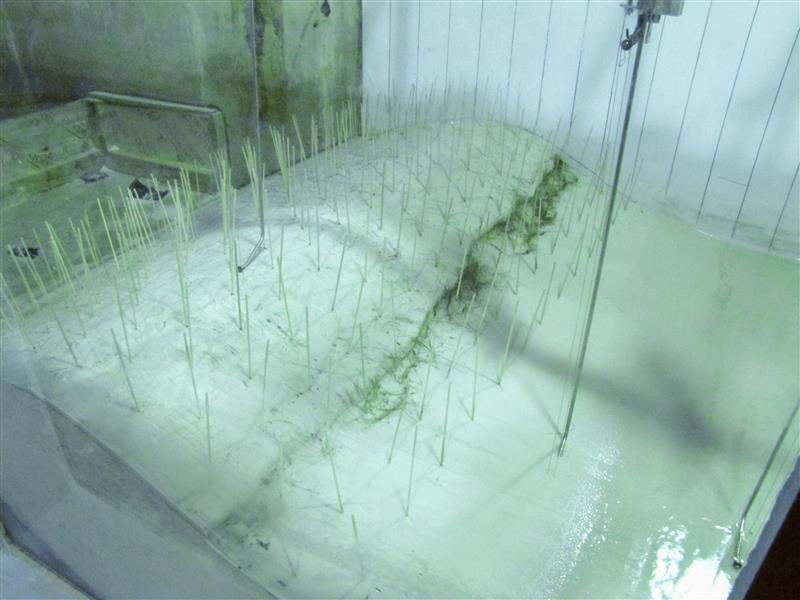
Dunes have, and continue to be, natural or engineered features which prevent or delay flooding of inland areas by waves and storm surge. Currently, morphological models do not consider the effect of vegetation when estimating short-term dune response to erosional events. A previous study showed that aboveground and belowground plant structure significantly reduced the erosion of coastal dunes under both collision (scarping) and overtopping regimes.
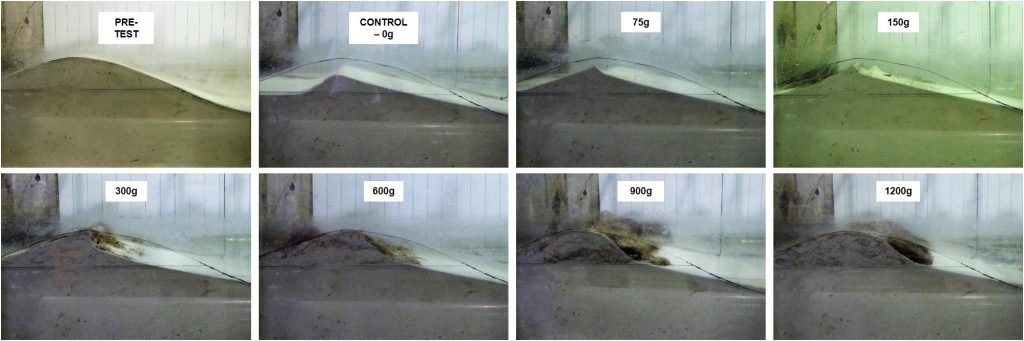

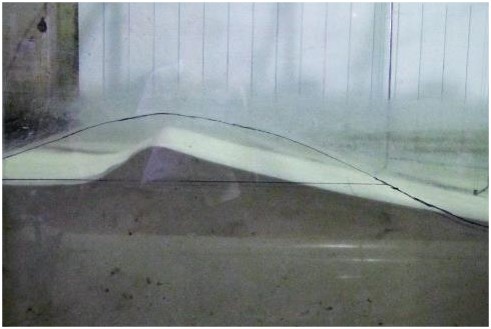
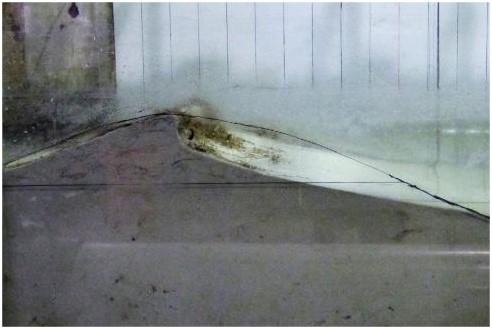
Eight-panel photographic sequence showing changes in a sand dune during an experimental test with increasing biomass amounts. Images are labeled pre-test, control (0 g), 75 g, 150 g, 300 g, 600 g, 900 g, and 1200 g. The dune progressively changes shape, with visible sediment erosion and redistribution becoming more pronounced at higher biomass amounts.
Initial and final profiles of scaled dune in the presence of increasing belowground biomass, from low (75 g per m^3) to excess (1200 g per m^3).

Products

Image Gallery

Point of Contact

Research Hydraulic Engineer, USACE-ERDC Coastal & Hydraulics Laboratory

Research Hydraulic Engineer, USACE-ERDC Coastal & Hydraulics Laboratory

Facebook
Twitter
LinkedIn
Email

Engagements

12
December
2018
On December 12, 2018, USACE hosted an Engineering With Nature (EWN) Session titled, “Engineering With Nature (E...

All Research

All Research Projects