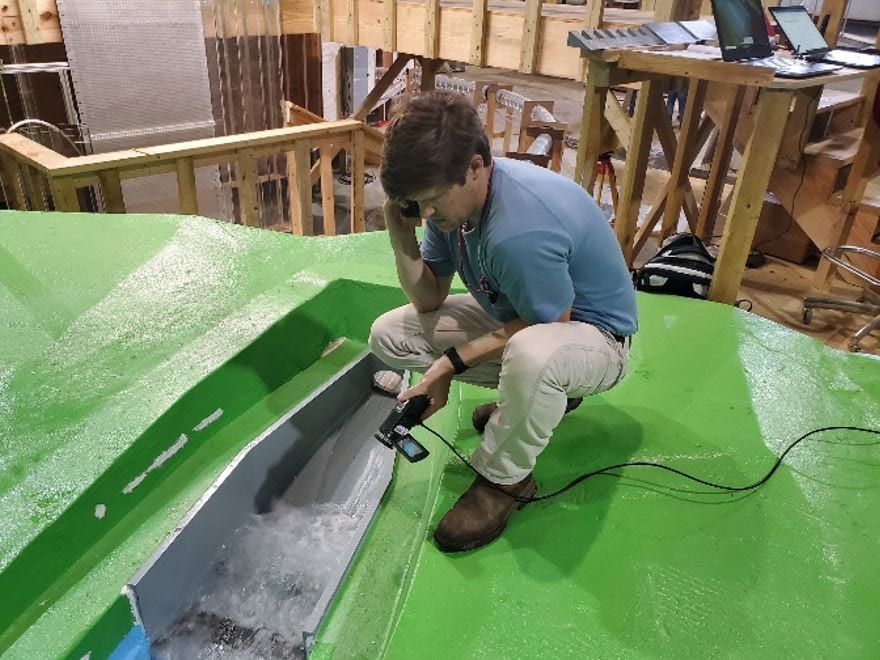
Dr. Duncan B. Bryant joined the Coastal and Hydraulics Laboratory after graduating from Texas A&M University. Dr. Bryant conducts research related to nearshore hydrodynamics, sediment transport and imaging measurement methods. His EWN related studies includes quantifying the engineering services provided by dune vegetation in reducing wave erosion and the transport of sediment intended for beneficial use. Dr. Bryant typically employs physical models to conduct research related to EWN.
Related Projects / Publications
Impact of Vegetation on Dune Erosion
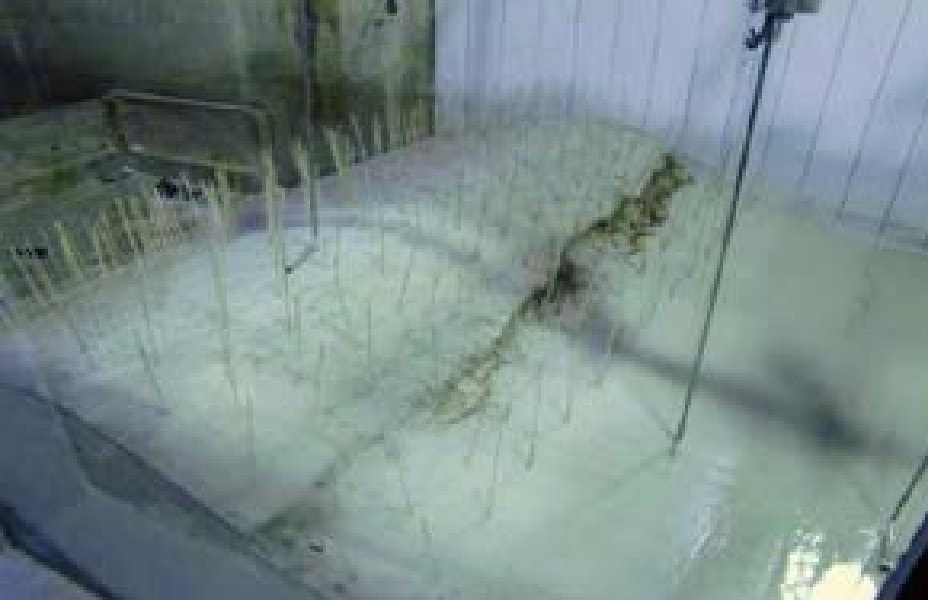
Coastal dunes are a critical first line of defense for many shoreline communities facing tropical and extratropical storms. Although vegetation is thought to enhance dune stability during wave attack, data is limited. This study uses a controlled physical model to assess how both above- and below-ground biomass affect dune resistance using simulated vegetative elements.
Bryant, D. B., M. A. Bryant, J. A. Sharp, G. L. Bell, and C. Moore. 2019. The response of vegetated dunes to wave attack. Coastal Engineering, Vol. 152, 103506. https://doi.org/10.1016/j.coastaleng.2019.103506.
Grzegorzewski, A. S., D. B.Bryant, and M. A. Bryant. 2017. Erosion of coastal foredunes : a review on the effect of dune vegetation. ERDC-CHL CHETN-I-94. U. S. Army Corps of Engineers, Engineer Research and Development Center, Coastal and Hydraulics Laboratory. https://hdl.handle.net/11681/21464.
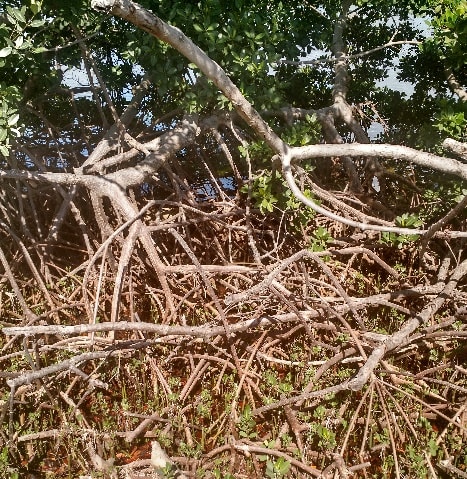
With rising global temperatures, the poleward migration of mangroves may enhance their contribution to coastal protection. Although the wave attenu......
Dunes have, and continue to be, natural or engineered features which prevent or delay flooding of inland areas by waves and storm surge. Currently,......
There is a great interest to restore some of the LA River back to a more natural form. However, with so many conflicting interests in the future of......
A number of field investigations have documented wave and surge attenuation by coastal mangrove ecosystems. These studies generally focus on low-en......